Early on, governments in many South and Central American countries reacted to the new coronavirus with sometimes drastic measures. But when restrictions were eased, Latin America became a pandemic hotspot. A lesson from the Corona crisis is: Youth and adult education is more necessary than ever. But how is an "education of tomorrow" to be shaped?
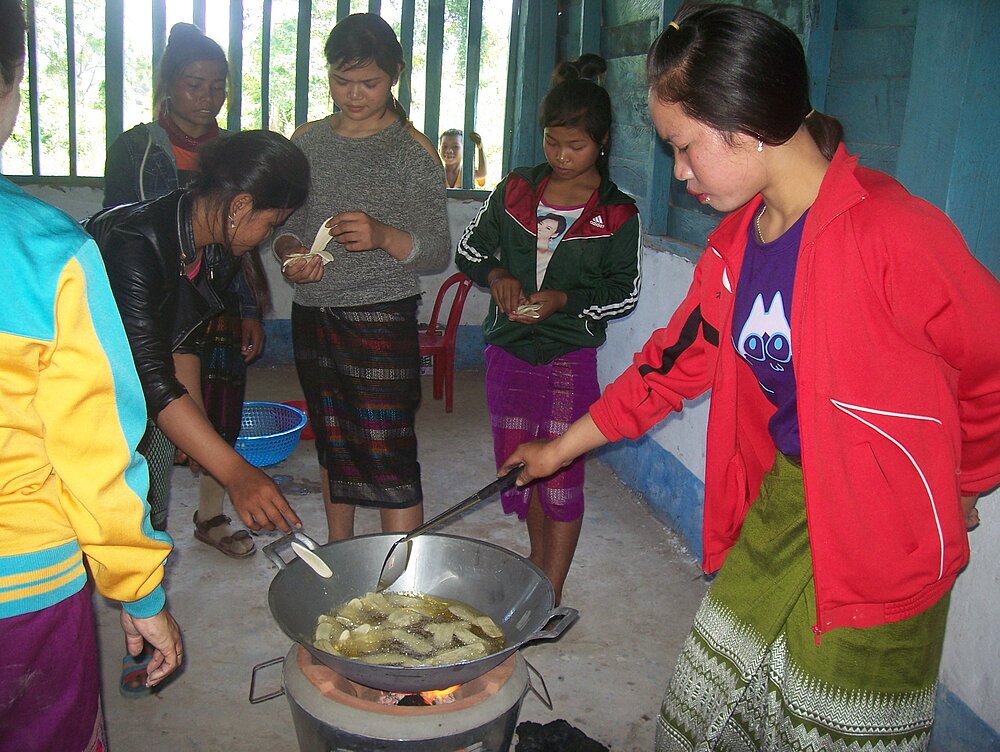
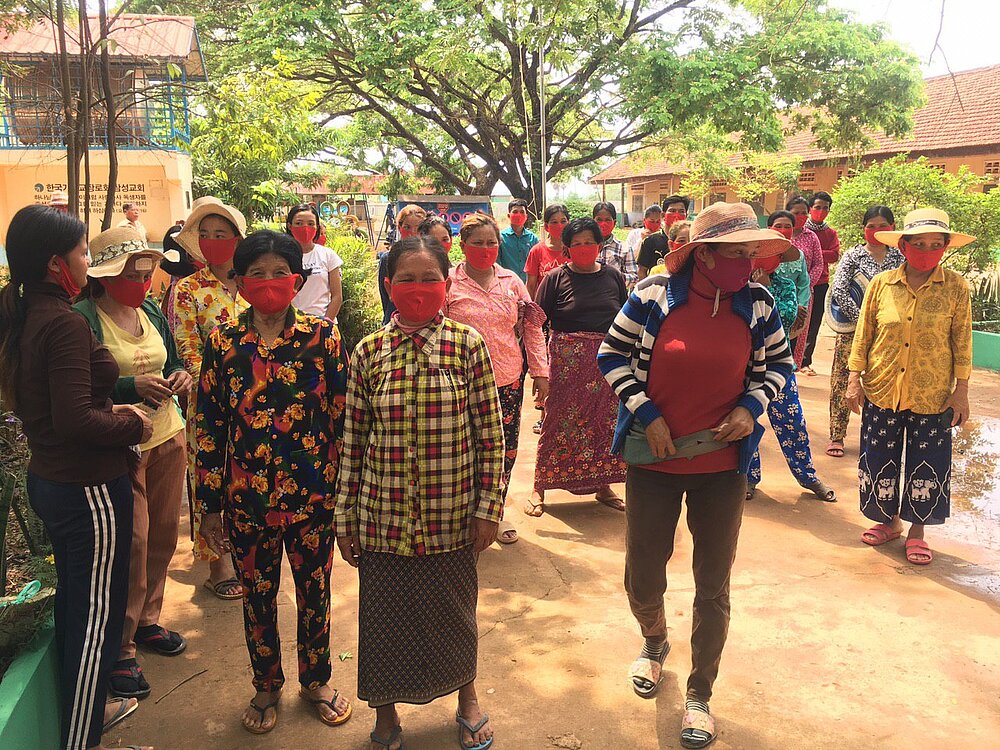
The concept of lifelong learning (LLL) is certainly on the rise; this is also true for Southeast Asia where the governments of Laos and Cambodia recently adopted lifelong learning policies. But in what way does Adult Learning and Education (ALE) benefit from it? In order to answer this question and to assess the state of adult education in mainland Southeast Asia, DVV International conducted a research project in Thailand, Laos, Cambodia and Vietnam.
Uwe Gartenschlaeger, Deputy Director of DVV International, reflects on the implications of the corona pandemic on adult learning and education (ALE) around the world but also highlights the potential of ALE in giving answers to the societal challenges arising from this crisis.
The International Conference on Adult Education (CONFINTEA), a UNESCO-led intergovernmental conference, is an important platform for policy dialogue, as well as for related research and advocacy in the development of youth and adult learning and education (ALE). The next Conference is scheduled for 2022 in Morocco. Werner Mauch from UIL gives an update on the process towards CONFINTEA VII.
The Turkish association beraberce has been running the “Hatırla! Remember!” project in partnership with the Institute for International Cooperation of the German Adult Education Association (DVV International) since 2019.
The project aims to take a multi-perspective look at and exert an influence on the Turkish culture of remembrance through international and intra-Turkish exchange. Due to the corona pandemic, the project had to be redesigned.
Up to ten public organisations in the Gomel region are conducting programmes in correctional facilities. Not all NGOs are willing to work with this target group. Having said that, and whilst it was practically impossible only ten years ago for NGOs in Belarus to initiate educational activities in correctional facilities, the situation is gradually changing today.