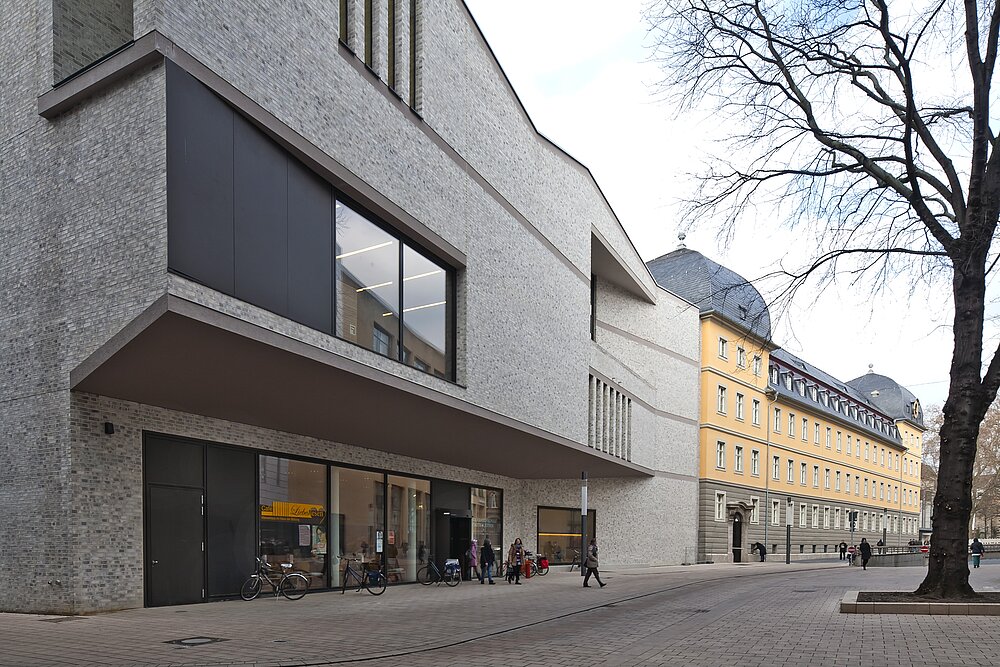
Within the last two decades, Bonn has grown into Germany’s United Nations city and a centre where the global challenges of the future are addressed. Lifelong learning in this regard is crucial to empower people to unlock their potential to create a sustainable future. The city has now joined UNESCO’s Global Network of Learning Cities in order to support learning opportunities for all.
Cities are vital in responding effectively to the challenges of emerging economic, technological, environmental and social changes which underline the need to foster capacities for adaptation, creativity and, most importantly, learning that continues throughout life. Fostering these capacities through lifelong learning is at the heart of the UNESCO Global Network of Learning Cities.
Christoph Jost and Uwe Gartenschlaeger reflect on the action of the International Council for Adult Education to reposition ALE and to imagine the future of the sector.
In the increasingly technologized and globalized world of the 21st century, societal participation will primarily be defined by the personal level of digital media literacy. How can and should the international adult education sector contribute to digital media literacy education? What does the adult education sector need to do in order to anticipate all the changes induced by the pace of technological development?
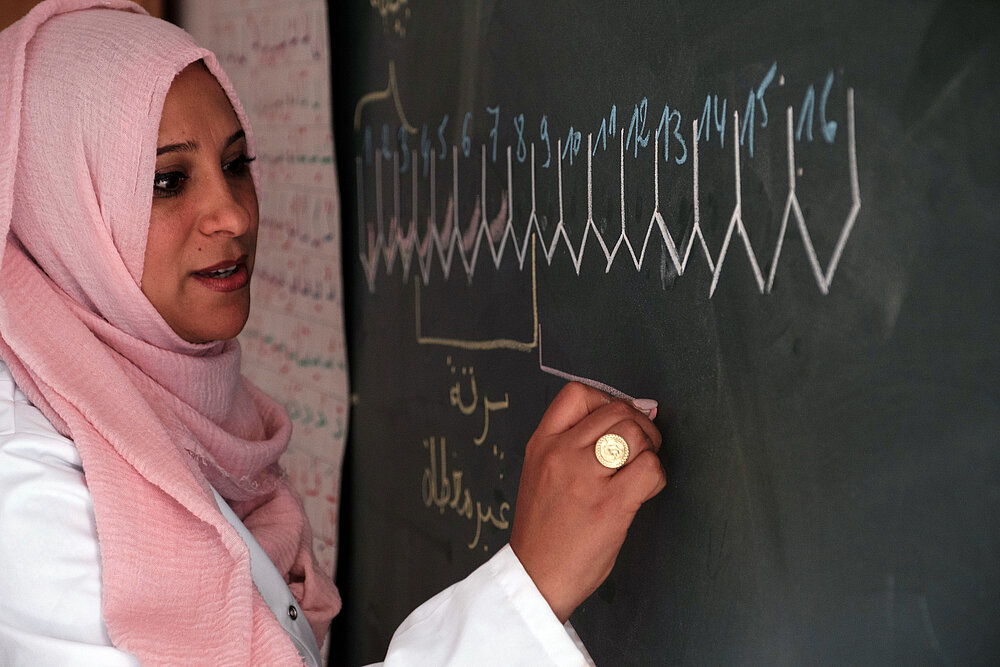
DVV International regional offices in the Middle East and North Africa embarked on the elaboration of a toolkit that addresses the topic of gender in adult learning and education. The toolkit provides practical, effective and innovative solutions and tools for adult education stakeholders so that the design and implementation of programmes in adult education are gender-sensitive and inclusive for all members of society.
Am 30. November 2020 war es soweit: Bei der digitalen Premiere stellten fünfzehn Jugendliche aus dem eigentlichen Georgien, dem abtrünnigen Abchasien und Russland ihren gemeinsam produzierten Cartoon namens „InSight“ vor. Entstanden ist der kurze Film im Rahmen des Projektes „WE CARE“, das zum Ziel hatte, die Rolle der Jugendlichen in Friedensinitiativen zu unterstützen.