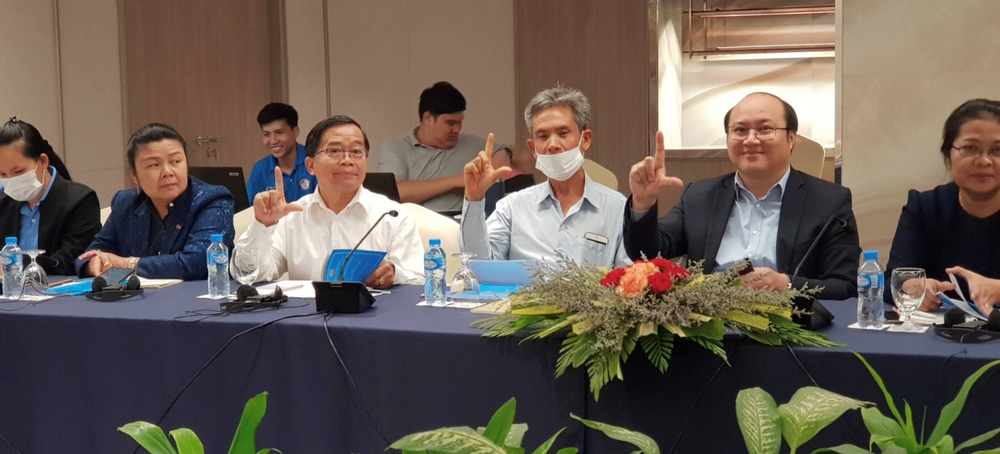
Since 2016, DVV International and the Ministry of Education and Sports developed a Decree for Lifelong Learning. The decree was officially approved by the Prime Minister in 2020. The implementation has now gained new momentum through an inception workshop which took place at the end of March 2021, with the participation of UNESCO.
DVV International has created the platfrom "MOJA – Adult Learning and Education Africa". It is a place where adult education and learning professionals can easily communicate with each other so that the wider continent may benefit from a pan-African team of educators.
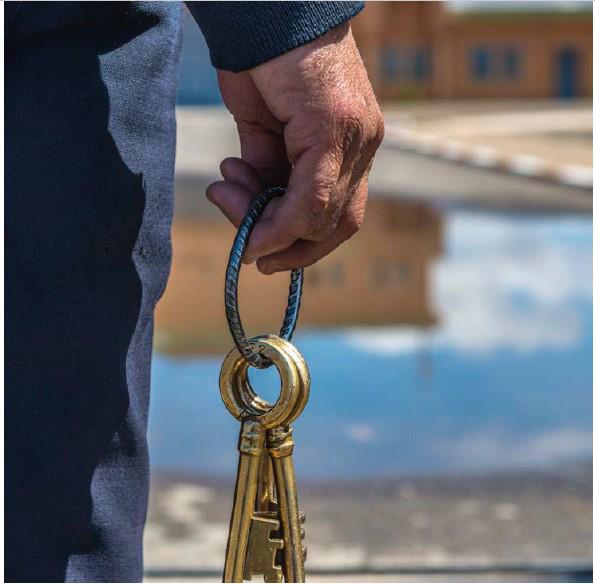
In the last two decades, the Moroccan penitentiary administration has undergone a profound reform of its legal and institutional framework. Against this background, DVV International and the Moroccan General Delegation for Prison Administration and Reinsertion began their cooperation on promoting adult education and lifelong learning within prisons.
Institutions of Adult Learning and Education (IALE) need to have a deeper look at the quality of the services they render and the general direction and vision their organisation is following. With the newly published Curriculum institutionALE (CI), DVV International has developed a framework for supporting IALEs in their ongoing search for adequate structures and services in a constantly changing environment.
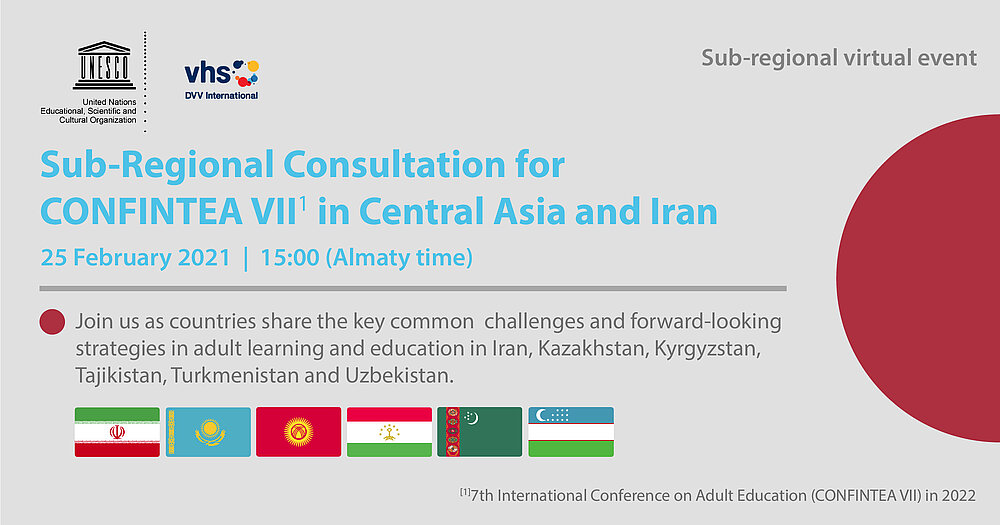
The World Conference on Adult Learning and Education, CONFINTEA VII, in Morocco is around the corner. At the moment, DVV International is engaged in planning and implementing the sub-regional and regional events which are an integral preparatory part of CONFINTEA. Some insights from Central Asia!
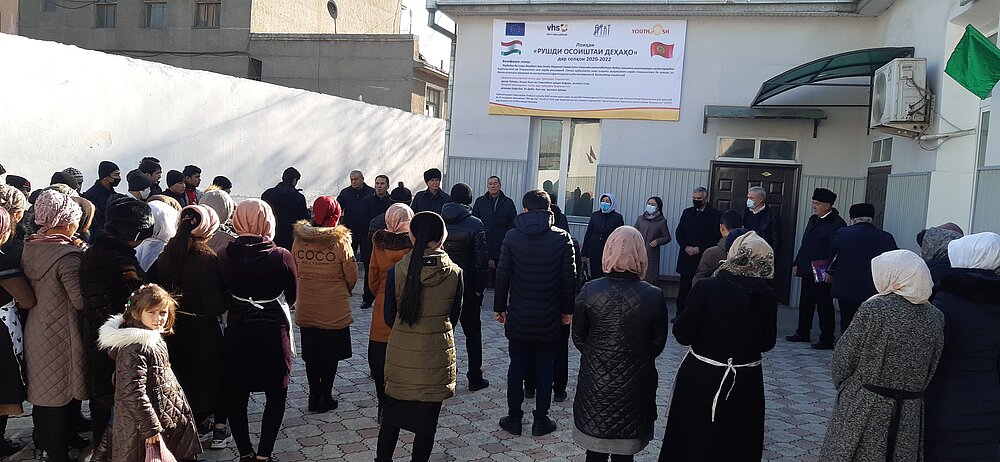
DVV International in Central Asia has been implementing a cross-border project in 6 villages on the Kyrgyz-Tajik border with the main objective of contributing to peaceful relations and prevention of violent conflict in a region which has seen latent and open conflict.