MOJA Adult Education Platform is expanding to become part of the African Continental Project (ACP). With 54 countries and multiple languages, it is no small challenge to bring the diverse African ALE community together. However, this is exactly what the ACP is seeking to do.
Representatives from universities, ministries and training institutions in Tanzania, Uganda and Ethiopia, are participating in the Curriculum globALE Master Training Programme in 2023. After the training, these Master Trainers will take the lead in establishing a well-informed training of trainers structure in ALE and push the professionalisation agenda forward.
Andean Meeting VI towards a transformative and integral ALE put an emphasis on the capacity of ALE to combat machismo. The meeting took place in Bogotà, for the first time in hybrid mode. It was attended by government representatives, civil society organizations, academics, and private sector representatives, from Mexico, Guatemala, Cuba, Ecuador, Peru, and Germany.
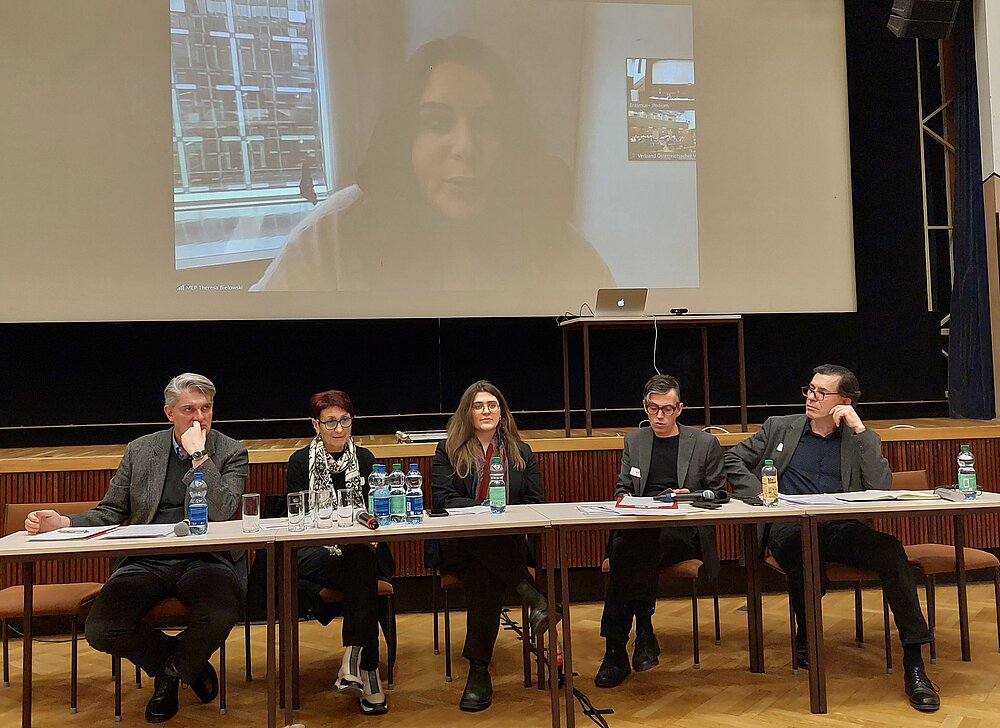
80 participants from all over Europe discussed new ways in which adult education can help people to react and act appropriately to the changes and crises of the present and to identify the options available.
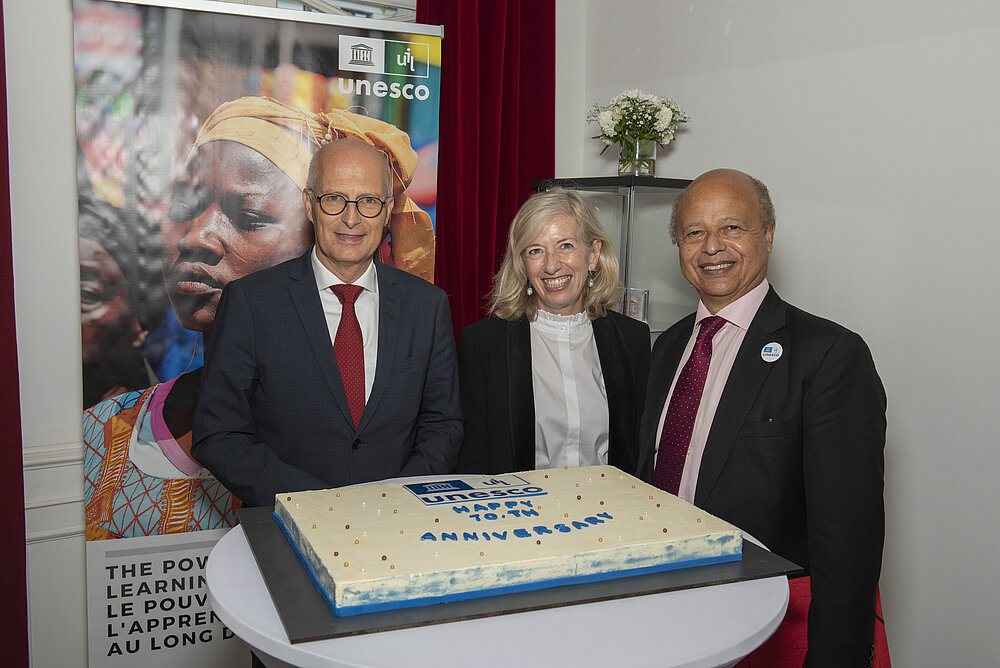
DVV International cordially congratulates the UNESCO Institute for Lifelong Learning (UIL) that recently celebrated its 70th anniversary with a most interesting hybrid event in Hamburg involving prominent facilitators, colleagues, partners and other stakeholders from around the globe.
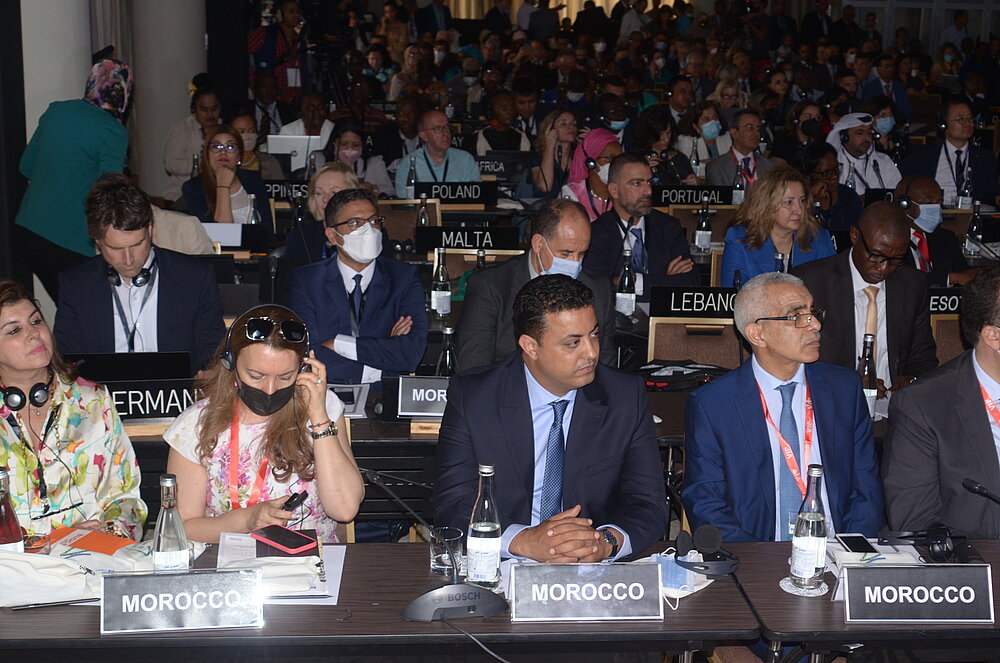
From 15 to 17 June 2022, CONFINTEA VII brought together the global ALE community in Marrakesh, Kingdom of Morocco. Since 1949, CONFINTEA (Conférence internationale sur l'éducation des adultes) has been held every twelve years under the aegis of UNESCO as a central global format for exchange and target-setting in the field of adult education.